


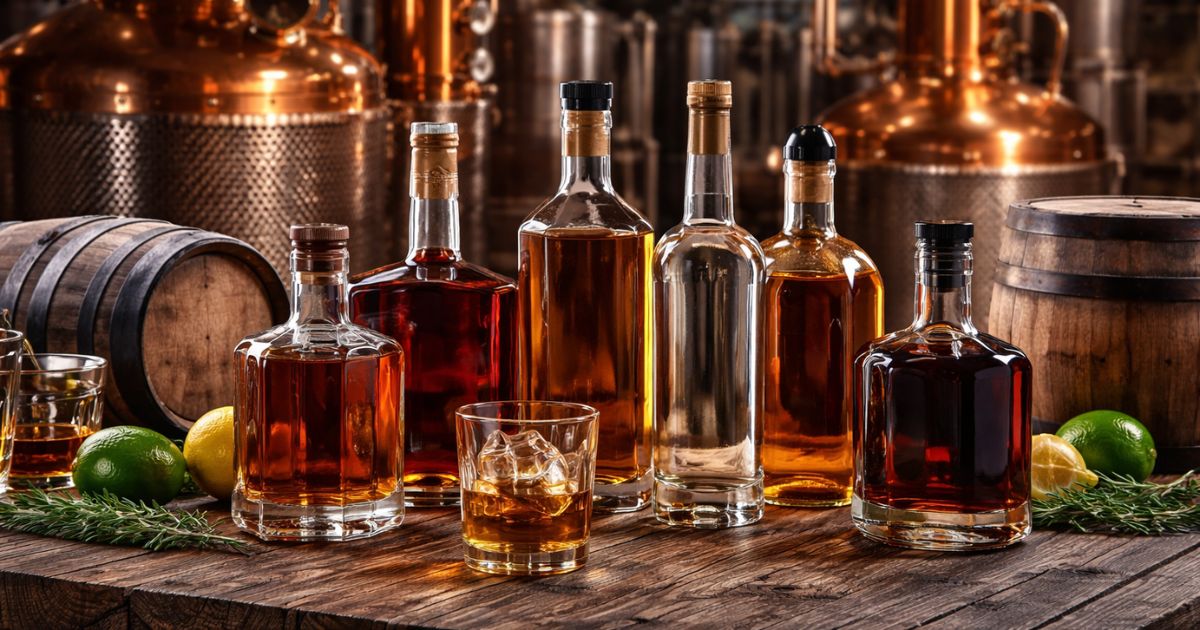
Liquor manufacturing companies are steering a historic transformation in the Indian market as we move into 2026. Once defined by high volume and price sensitivity, the sector has shifted toward a “premiumization” model, where value creation and brand provenance take center stage. According to CRISIL Ratings, the Indian alcoholic beverage (alcobev) industry is projected to record an 8–10% revenue growth in FY26, reaching a staggering ₹5.3 lakh crore (approximately $62 billion).
For stakeholders, understanding the landscape of alcohol manufacturing companies in India is essential, as the market is now characterized by sophisticated distillation techniques and a surge in homegrown luxury spirits. Leaders like Rajasthan Liquor Limited (RLL) have been at the forefront of this shift, leveraging over three decades of expertise to bridge the gap between traditional distilling and modern consumer demands.
Revenue Models: How Alcohol Manufacturers Monetize the Market
The monetization strategies for liquor manufacturers in 2026 have undergone a structural reset. No longer reliant solely on volume, companies are utilizing a multi-layered revenue model to navigate rising input costs and a fragmented regulatory landscape.
1. The Premiumization Multiplier
The most significant revenue driver in 2026 is “trading up.” CRISIL reports that revenue from premium and luxury spirits—those priced above ₹1,000 per 750ml—is expected to grow by 15% in FY26. This segment is projected to contribute 38–40% of total spirits revenue, a massive jump from 31% in 2023. By focusing on higher-margin products, alcohol manufacturers can absorb a 2–3% rise in Extra Neutral Alcohol (ENA) prices without eroding profitability.
2. Contract Manufacturing and Franchise Synergies
Stability in the Indian market often comes from strategic alliances. Rajasthan Liquor Limited (RLL) exemplifies this by maintaining long-term bottling and franchise agreements with global leaders like Pernod Ricard and United Spirits Ltd (Diageo). These “cost-plus margin” arrangements provide a high degree of revenue stability, as they are less susceptible to the volatility of raw material prices compared to standalone brands.
3. Integrated Distillery Operations
To maximize margins, the top whisky manufacturing company in India models now prioritize backward integration. By operating grain-based distilleries that produce their own ENA, companies like RLL reduce their dependency on external suppliers. Selling surplus ENA to other alcohol manufacturers or the government’s ethanol blending program provides a secondary, steady revenue stream.
4. Regional and Export Diversification
While domestic consumption is the primary engine, liquor manufacturing companies are increasingly looking at exports. Homegrown Indian Single Malts are now winning global awards, like in the Las Vegas Global Spirits Awards 2025, allowing manufacturers to monetize the “Indian Provenance” story at international price points, often significantly higher than domestic realizations.
The Integration of Liquor Bottling and Packaging
In 2026, liquor bottling is no longer just a terminal stage of production; it is a core component of brand identity and environmental compliance. The integration of advanced packaging technology is what separates market leaders from traditional players.
1. High-Speed Automation and Quality Control
Modern alcohol manufacturing companies in India have invested heavily in fully automated bottling lines. These systems integrate “Track & Trace” technology, using QR codes and RFID tags to prevent counterfeiting—a major drain on industry revenue. RLL, for example, operates five automated bottling lines across Rajasthan and Punjab, ensuring that every bottle meets the rigorous quality standards required by its multinational partners.
2. The Rise of Sustainable “Eco-Elegance”
Sustainability has moved from a “nice-to-have” to a financial imperative. Liquor manufacturers are now collaborating closely with glass bottle manufacturing companies to adopt “Eco-Elegance.” This involves:
- Lightweighting: Reducing the weight of glass bottles to cut down on carbon emissions during transport.
- Recycled Content: Increasing the use of cullet (recycled glass) to lower energy consumption during the melting process.
- Alternative Formats: While glass remains the symbol of luxury, the growth of Ready-to-Drink (RTD) beverages has integrated aluminum cans and tetra-packs into the bottling mix, particularly in states like Uttar Pradesh, where tetra-packs are mandated for certain segments to prevent adulteration.
3. Visual Storytelling through Packaging
As premiumization takes hold, the bottle itself becomes a marketing asset. Alcohol manufacturing company designers are moving away from generic shapes toward bespoke, ergonomic designs. Embossed glass, holographic labels, and tamper-evident seals are now standard features that justify the higher price points of premium whiskies and gins.
State-Level Analysis: The Engines of Growth
A successful liquor manufacturer in India must tailor its strategy to individual states, as each operates like a sovereign market with its own excise policy. Here is a tit-bit of a few leading states.
1. Uttar Pradesh: The Scale Champion
UP remains the largest market by volume. The UP Excise Policy 2025-26 targets a revenue of ₹63,000 crore, driven by a record number of 100 functional distilleries. The state’s move toward e-lottery systems for shop allotments has created a more transparent and competitive environment for liquor manufacturers.
2. Karnataka: The Premiumization Hub
Karnataka is a critical market for high-value spirits. With an excise target of ₹40,000 crore for 2026, the state has seen a significant shift toward premium IMFL, which now accounts for a larger share of its revenue compared to the “value” segment.
3. Rajasthan: The Heritage Capital
Rajasthan is increasingly recognized for its “Heritage Liquor” and craft spirits. The state’s unique climate makes it ideal for maturing malts. Distilleries in Rajasthan, including those operated by RLL, are capitalizing on this by producing world-class spirits that cater to both the local tourist market and global connoisseurs.
4. Maharashtra: The “MML” Innovation
Maharashtra has successfully introduced Maharashtra Made Liquor (MML), a category with a lower duty structure than traditional IMFL. This has allowed alcohol companies to offer high-quality products at competitive prices, driving volume growth in an otherwise high-tax environment.
Exploring the Top Whisky Manufacturing Company in India
The title of the top whisky manufacturing company in India is currently a balance between the volume of United Spirits Ltd and the craft-excellence of players like Radico Khaitan and Piccadilly Agro. In late 2025, the “Indian Single Malt” category was the fastest-growing niche, with a CAGR of over 18%. The trend is expected to remain the same in 2026 as well.
Manufacturers are increasingly focusing on “grain-to-glass” transparency. By controlling everything from the grain procurement to the liquor bottling process, these companies ensure a consistent flavor profile that is essential for building a global brand.
Conclusion: The Future of Alcohol Companies
The trajectory for alcohol companies in India remains exceptionally bullish. With high GDP growth and an aspirational young population, the industry is entering a “Golden Age.” Success for liquor manufacturing companies will depend on their ability to master the dual challenges of regulatory compliance and the consumer demand for premium, sustainable experiences. By integrating advanced liquor bottling technologies and diversifying their revenue streams, leaders like Rajasthan Liquor Limited (RLL) are not just participating in the market—they are defining its future.
Frequently Asked Questions (FAQs)
According to CRISIL Ratings, the industry is expected to reach a revenue of ₹5.3 lakh crore, growing at a rate of 8–10% year-on-year.
Premium products (priced above ₹1,000) offer significantly higher margins, allowing alcohol manufacturing companies in India to absorb rising costs for raw materials like barley and glass.
RLL is a major integrated player involved in ENA production, contract manufacturing, and bottling for global brands, as well as the distribution of premium spirits across multiple states.
The program has increased the demand for grain-based ENA, leading to a 2–3% rise in prices. However, integrated liquor manufacturers with their own distilleries can offset this by producing ENA in-house.
Uttar Pradesh leads with a revenue target of ₹63,000 crore, supported by a massive expansion in its distillery and bottling infrastructure.