


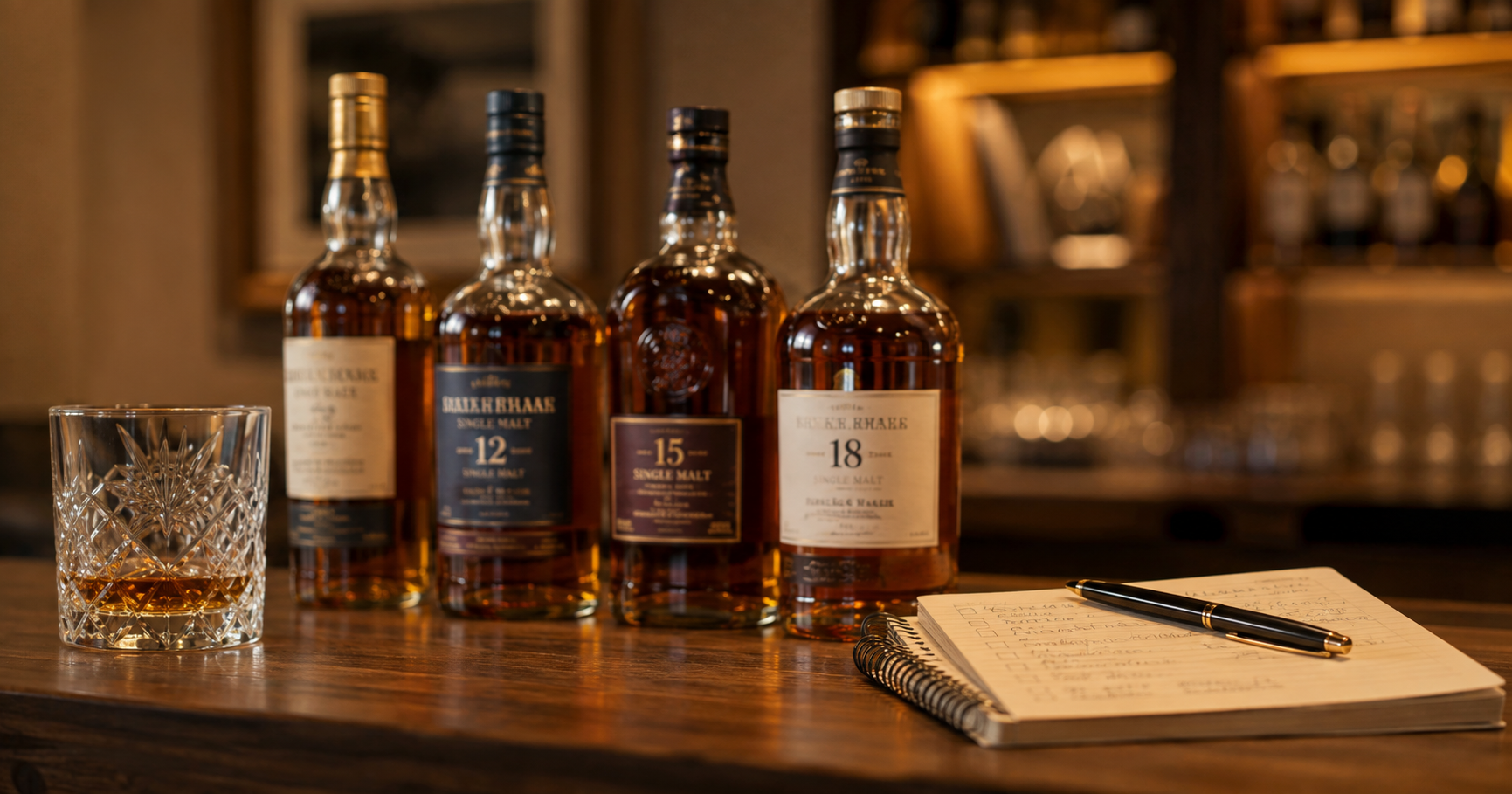
Whether you are a seasoned connoisseur or a curious beginner, navigating the world of spirits in India can be both exciting and overwhelming. With an ever-expanding market of domestic and imported labels, finding that perfect bottle shouldn’t feel like a gamble.
Whiskey distillery experts often suggest that the “best” bottle isn’t necessarily the most expensive one; it is the one that aligns with your palate and your wallet. This guide is designed to help you navigate the Indian market objectively, ensuring your next purchase is an informed one.
Understanding the Indian Whiskey Landscape
India is one of the largest consumers of whiskey globally. The market is unique, ranging from mass-market “IMFL” (Indian Made Foreign Liquor) to premium single malts and high-quality blended grains produced by an Indian distillery.
When choosing a bottle, it is essential to understand what goes into it. Many Indian whiskies are traditionally molasses-based, but in recent years, there has been a significant shift toward grain-based spirits and authentic malt whiskies. High-quality operations at a liquor distillery in India now produce spirits that rival international standards.
1. Define Your Budget: The Three Tiers
In India, price points vary significantly by state due to local taxation. However, we can generally categorize them into three segments:
- Budget (Standard): Excellent for cocktails or casual mixers.
- Mid-Range (Premium Blends): Often characterized by a smoother finish, these are great for “on the rocks” consumption.
- Top-Tier (Single Malts & Aged Blends): Produced at the best distilleries in India, these are meant for slow sipping to appreciate complex flavor profiles.
2. Decode the Label
A bottle’s label tells a story. Look for these key terms:
- Blended: A mix of grain and malt spirits. These are versatile and generally more affordable.
- Single Malt: Product of a single distillery, made entirely from malted barley.
- Cask Strength: Bottled without dilution, offering a robust, intense experience.
3. The Role of the Distillery
The quality of a whiskey is a direct reflection of the distiller’s operations. The factors such as the quality of the water source, the type of grain used, and the climate during the aging process all play a role. For instance, the warmer Indian climate accelerates maturation, meaning an Indian whiskey aged for five years may exhibit characteristics similar to a Scottish whiskey aged for much longer. This unique environmental factor is why many consider certain local labels to be among the best. In this context, distilleries like Rajashthan Liquors Limited with their plethora of experiences stand out. No wonder they can produce a product like Anytime Whisky, which is so premium in quality but at an extremely affordable price.
4. Tasting and Palate Preference
Before committing to a full bottle, consider the flavor profile you enjoy:
- Sweet/Fruity: Often found in whiskies aged in sherry casks.
- Smoky/Peaty: Common in whiskies where the barley is dried over peat fires.
- Spicy/Woody: A result of aging in new or charred oak barrels.
If you are looking for a reliable option that balances quality with a distinct local heritage, brands like Anytime Whisky stand out and offer a glimpse of the seamless craftsmanship. Their approach focuses on a smooth, approachable profile that fits well within a mid-range budget.
5. Where to Buy
Always purchase from authorized liquor distribution channels. This ensures the authenticity of the product and its storage.
Practical Tips for the Final Choice
- Check Reviews: Look for objective tasting notes from Indian whiskey communities.
- Start Small: If a premium brand offers a 180ml or 375ml bottle, try that first before investing in a 750ml bottle.
- Consider the Occasion: A celebratory event might justify a splurge on a label from one of the top 10 liquor companies in India, whereas a weekend barbecue might call for a solid, dependable blend.
FAQs
Yes. While Scotch must be made in Scotland and aged for at least three years, Indian whiskey follows local regulations. However, many premium Indian whiskies now use 100% malted barley and traditional distillation methods, making them very similar in quality.
Unlike wine, whiskey should be stored upright in a cool, dark place. Once a bottle is opened, the air inside will slowly oxidize the liquid, so try to finish it within a year for the best flavor.
A quality blend can be elevated by using high-quality ice or a splash of room-temperature water, which helps open up the aromas without adding cost.
Conclusion
Choosing the right spirit is a personal journey. By understanding the work that goes into an Indian distillery and recognizing your own palate preferences, you can find a bottle that offers exceptional value. Whether it is a local favorite or a premium export, the goal is to enjoy the craftsmanship in every drop. As you explore the market, remember that the heritage of the liquor distillery in India is rich and diverse, offering something for every budget and taste.