


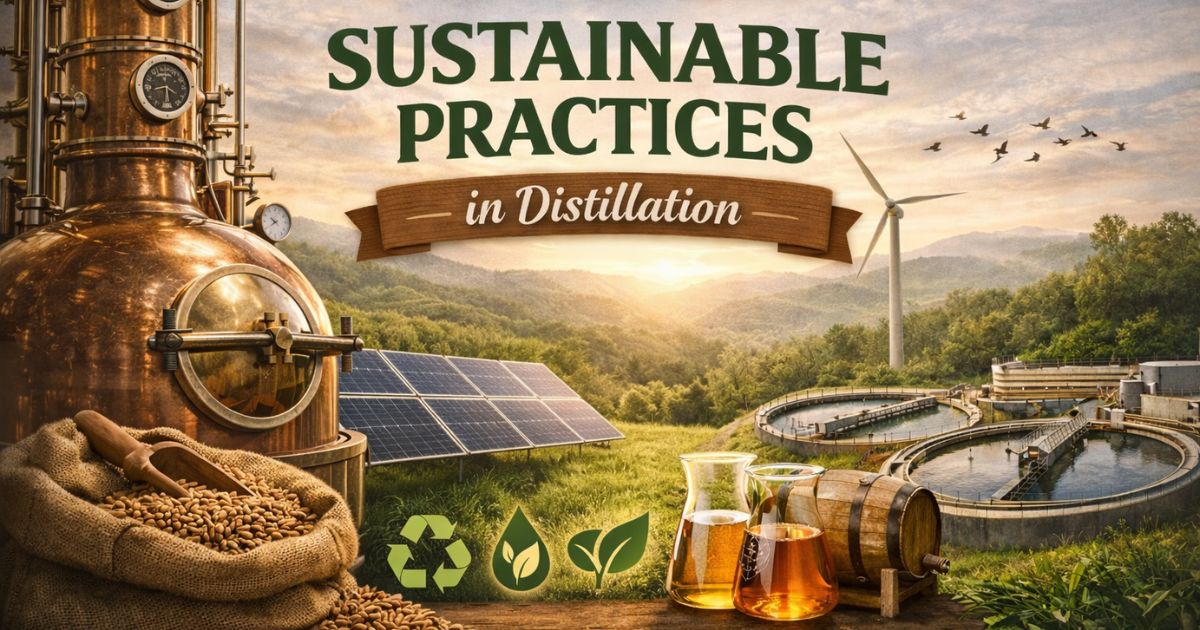
Distillation is an energy-intensive process, primarily due to the steam required to separate the alcohol from the mash. RLL has invested significantly in technology and process optimization to reduce energy consumption, conserve water, and manage waste effectively.
Energy Efficiency and Heat Recovery
A core sustainable practice is the maximization of thermal efficiency. Instead of allowing process heat to escape, RLL implements advanced heat exchangers.
- Waste Heat Recovery: Heat generated during the condensation phase is captured and recycled to pre-heat the next batch of wash or to generate steam, significantly reducing the demand on primary fuel sources.
- Fuel Transition: The facility continuously explores cleaner energy sources for the boiler, reducing reliance on high-emission fossil fuels where feasible.
Water Management and Conservation
Water is a critical resource for both the cooling process and as an ingredient. RLL employs a closed-loop system to drastically cut consumption.
Note: Modern distillation practices prioritize the 3Rs—Reduce, Reuse, and Recycle—particularly in water use, which is vital in a water-stressed region like Rajasthan.
RLL’s water strategy includes:
- Water Recycling: Treating and reusing cooling water and process water in non-critical stages, such as boiler feed or equipment cleaning.
- Effluent Treatment: Utilizing a state-of-the-art Effluent Treatment Plant (ETP) to purify all discharge water to regulatory standards before release or further recycling.
Understanding IMFL Distillation in India
The production of IMFL spirits, such as whisky, vodka, and rum, requires specific techniques tailored to the Indian market and regulatory environment. RLL’s liquor distillery expertise covers the entire spectrum of distillation technologies.
The Role of Technology
RLL uses modern column stills for spirits like grain vodka and high-purity neutral alcohol, which demand consistent quality and high volume. For specific products, pot stills may also be employed to enhance flavor and texture profiles, typical of darker spirits.
The choice of raw material—whether it’s molasses for rum, or grains like barley and maize for grain spirit—directly impacts the distillation parameters. RLL’s technical team precisely manages fermentation temperatures and distillation cuts to ensure only the highest quality heart of the spirit is retained. This commitment ensures RLL competes to be one of the best distilleries in India.
Compliance Checklist for Distillation Units in Rajasthan
Operating an Indian distillery within a strict regulatory framework demands unwavering adherence to legal and excise requirements. RLL maintains an exhaustive compliance checklist that governs every aspect of the operation, from spirit security to environmental reporting.
Excise and Security Protocols
The product must be secured and accounted for at all times. This is non-negotiable for any reputable distillery and brewery in India.
- Spirit Security: The production and storage areas are under continuous CCTV surveillance, and spirits are tracked using specialized meters and weighbridges to prevent diversion or pilferage.
- Tax Compliance: Strict reconciliation of production logs with government excise requirements, ensuring accurate and timely payment of all state duties.
Environmental Regulatory Compliance
RLL’s environmental compliance extends beyond voluntary sustainability efforts; it is a legal requirement enforced by the Pollution Control Board and other authorities.
- Emissions Monitoring: Continuous monitoring of air and stack emissions to ensure they are within prescribed limits.
- Waste Disposal: Proper handling and documentation of solid waste (spent grain/molasses residue) and liquid waste disposal, often aiming for beneficial reuse (e.g., as animal feed or fertilizer).
By consistently exceeding the regulatory minimums and investing in sustainable technologies, RLL secures its future as a reliable and ethically responsible liquor distillery. The dedication to both product quality and environmental management is what truly defines RLL’s position in the Indian spirits landscape.
Frequently Asked Questions (FAQ)
A: Energy consumption for steam generation is often the largest challenge. RLL mitigates this by focusing on waste heat recovery and optimizing boiler efficiency.
A: Quality is ensured through state-of-the-art still technology, precise temperature control during fermentation and distillation, and stringent lab testing of the cuts to only retain the highest quality neutral spirit.
A: The trend is growing. RLL is proud to be among the distillery companies in India that view sustainability not just as compliance, but as a core operational value.
A: The volume is monitored through flow meters, secure pipelines, and strict excise documentation at various stages, ensuring full transparency and compliance with government regulations.
A: Yes, RLL offers contract distillation and bottling services, leveraging its high-capacity plant and expertise to assist brands looking to establish a presence or scale up production in the region.